The Golden Ratio
The golden ratio is a mathematical concept that has been used for centuries in art, architecture, and design. It's a proportion that is considered to be aesthetically pleasing and harmonious to the eye. The ratio is 1:1.618, also known as the divine proportion or the golden mean.
The golden ratio can be seen in many natural forms, such as the spiral shape of seashells and the arrangement of leaves on a stem. In interior design, the golden ratio is often used to create a sense of balance and proportion in a space.
While the golden ratio of 1:1.618 is a beautiful and timeless concept, it can be challenging to apply in real-world interior design projects. That's why many designers opt for a simplified version of the golden ratio, using a ratio of 40:60 instead. Whether you choose to use the full golden ratio or a simplified version like 40:60, incorporating this concept into your design projects can help create a space that feels harmonious and balanced.
Here are some ways the golden ratio can be used in interior design:
Golden Ratio for Color Schemes- Any balanced room needs to have good proportional representation of colors, textures and patterns. So in a two color room scheme the dominant color will cover around 60 % of the surfaces while the complementing accent will cover the other 40%. These ratios can be broken down further; so that 60% is covered by the dominant color, 30% by the secondary color; and 10% by the tertiary color.
To have extra fun with this concept consider the textiles and furniture you will be using in your space as well. Choose your three tones then incorporate the ratios: Making 60% of your space one color, perhaps through your paint on your walls and larger pieces of furniture; 30% of your space the secondary shade applying it through textiles such as curtains and rugs. And 10% throughout with accents and accessories.
Golden Ratio for Balanced Room Layout- When placing furniture in a room, consider using the golden ratio to determine how much furniture the room can hold. Filling 60 percent of your room with furniture while leaving 40 percent open makes a room feel complete without appearing overcrowded.
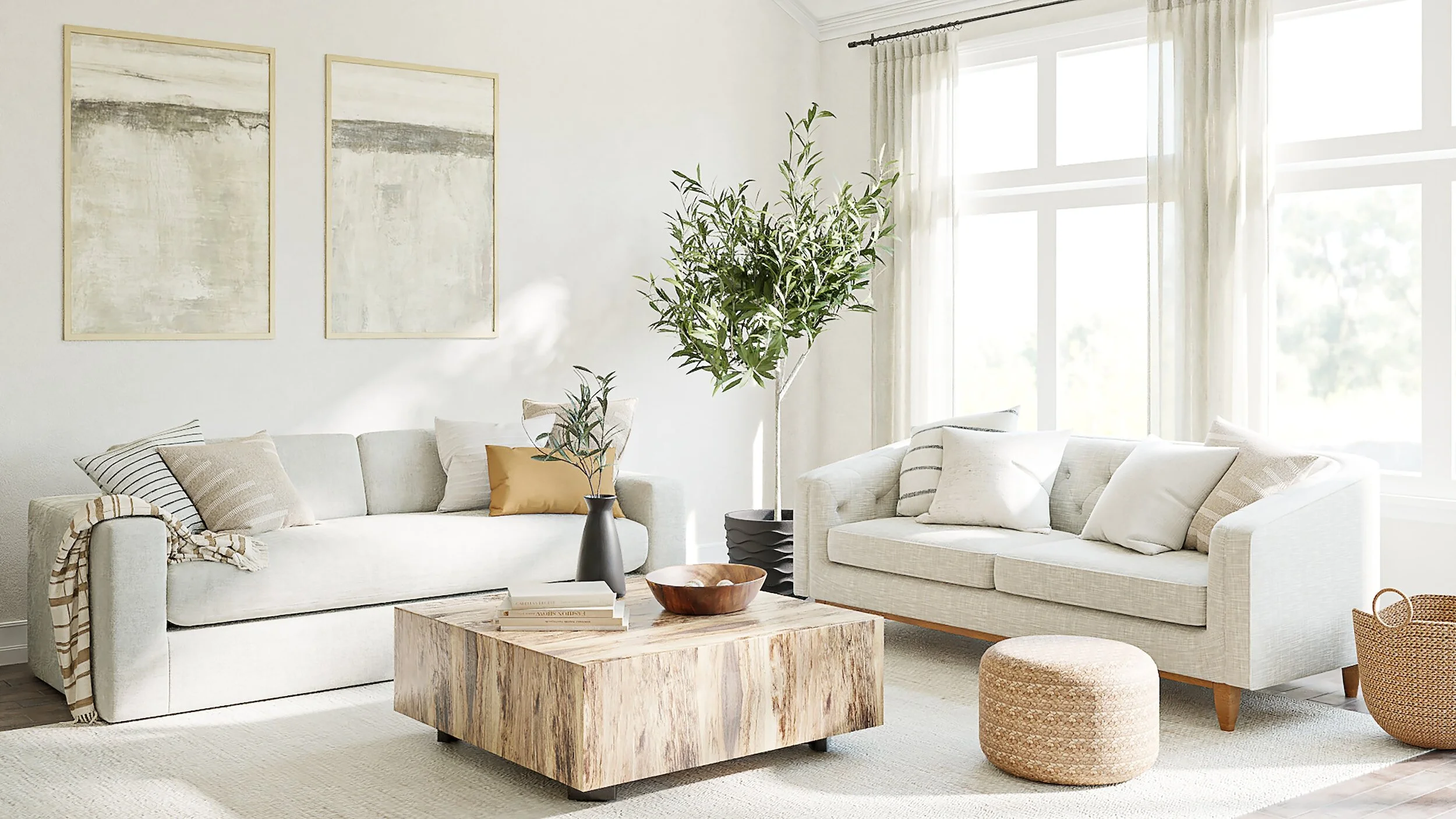
The Golden Ratio for Choosing Furniture- It’s important to scale your furniture correctly so that it is not only in proportion to the room’s floor area but to the other items of furniture in the space as well. Let’s use the typical seating grouping in a living room. Sofas generally represent around 60% of the space while coffee tables represent around 40%. When choosing furniture aim to match a sofa with a coffee table that’s around two-thirds its length for a balanced feel. Any larger and it will feel too big; any smaller it will feel like a misplaced side table.
The Golden Ratio for Displaying Accessories- After finding the perfect couch and coffee table combo, your’re definitely going to want to accessorize them. In order to maintain a balanced, neat look, you ideally will only fill 40% of the table space. Similarly, cushions on a sofa should leave 60% of the seating area clear- covering only 40% with throws & pillows.
The Golden Ratio for Hanging Art- When investing in art pick a piece that is either one-third or two thirds the size of the wall space for balance. After picking your piece, you can use the golden ratio to get your picture height right. Pictures should be hung nearer the furniture below them than the ceiling above them- think 40% below, and 60% above.
While the golden ratio is not a strict rule in interior design, it can be a helpful guideline when designing a space. By using the golden ratio you can create a space that is visually appealing, balanced, and harmonious. So, consider incorporating the golden ratio into your interior design projects to achieve a beautiful and functional space.
Earth Tones Are Resurging
For years, interior design has been dominated by neutrals such as whites, grays, and blacks. However, in recent times, earth tones have been making a comeback, and we are particularly seeing a resurgence in the use of browns and pinks in interior design.
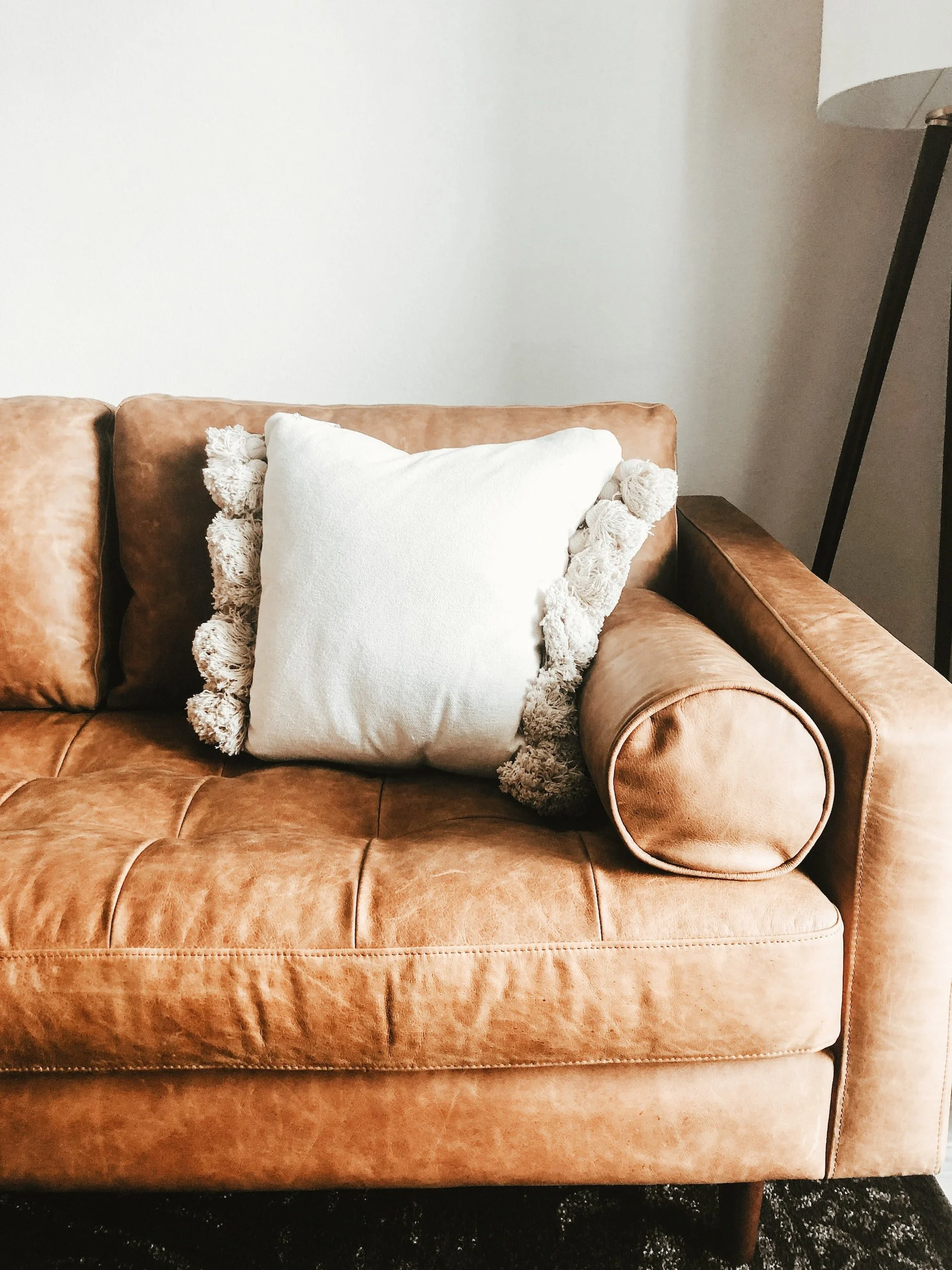
Browns are versatile and come in a wide range of shades, from light and warm to dark and rich. When used in interior design, they can add warmth, comfort, and elegance to a space. For instance, a light brown sofa or rug can make a room feel cozy and inviting, while a darker shade of brown can lend sophistication to a space. Brown also pairs well with other earth tones, such as greens and blues, as well as metallics like gold and copper.
Pink, on the other hand, has long been associated with femininity and can evoke feelings of softness and sweetness. However, the resurgence of pink in interior design is not limited to just pastel shades. We are also seeing bold and bright shades of pink being used in unexpected ways, such as on accent walls, furniture, and decor. Pink also pairs well with other earth tones, especially browns, and can create a warm and cozy ambiance when used in the right shade.
Using earth tones like brown and pink in interior design can have a positive impact on our well-being, as they are colors that can evoke a sense of calm and comfort. They also provide an excellent backdrop for other colors and can help to create a cohesive and harmonious space.
Here are a few tips for incorporating brown and pink into your interior design:
Experiment with different shades: There are many shades of brown and pink to choose from, so don't be afraid to experiment with different hues to find the one that works best for your space.
Mix and match: Brown and pink are versatile colors that can be paired with other earth tones, as well as with metallics and neutrals. Experiment with different color combinations to find the one that best suits your style.
Use in unexpected ways: Don't limit yourself to just using brown and pink on walls or furniture. You can also incorporate these colors into your decor, such as with throw pillows, curtains, and rugs.
Consider texture: Brown and pink can be even more impactful when used in textures such as velvet, leather, or woven materials.
The resurgence of earth tones, especially brown and pink, in interior design is a welcome change from the dominance of neutrals in recent years. These colors can add warmth, comfort, and elegance to a space and provide a sense of calm and tranquility. Whether used as a main color or as an accent, brown and pink are versatile hues that can work in a variety of interior design styles.
What’s Japandi Style?
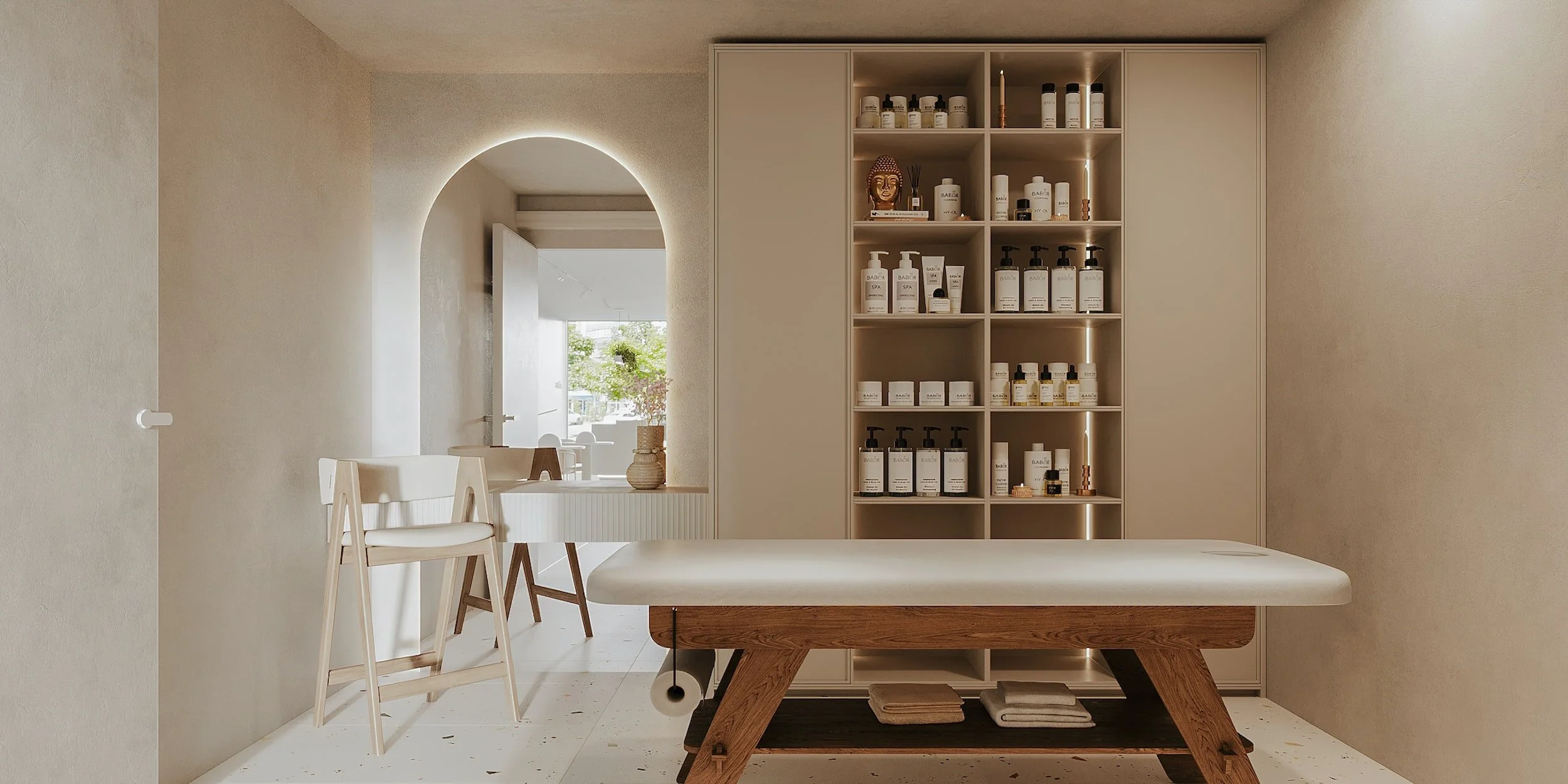
Japandi design is a fusion of Japanese and Scandinavian design elements. It combines the minimalist and functional aspects of Scandinavian design with the natural and simplistic elements of Japanese design, resulting in a serene and harmonious aesthetic.
This design style has been growing in popularity in recent years, and for good reason. Japandi design offers a peaceful and calming space, with a focus on quality over quantity. It incorporates natural materials such as wood and stone, and often features neutral colors like beige, gray, and white.
One of the key features of Japandi design is the use of clean lines and simple shapes. Furniture is often low to the ground and features a minimalist design. Textiles are also important in Japandi design, with an emphasis on natural materials like linen and cotton.
Another aspect of Japandi design is the use of plants and greenery to bring the natural world indoors. The use of bonsai trees, bamboo, and other plants adds a touch of greenery and tranquility to the space.
Japandi design also incorporates traditional Japanese elements such as shoji screens and tatami mats. These elements add a touch of authenticity to the design and create a unique and peaceful atmosphere.
Overall, Japandi design is a versatile and timeless style that offers a calm and inviting space. Its popularity is likely to continue to grow in the coming years as more people seek out simple and peaceful living spaces. Whether you incorporate Japandi elements into your entire home or just a single room, it is sure to create a serene and harmonious atmosphere.
Is Beige Back?
It all begins with an idea.
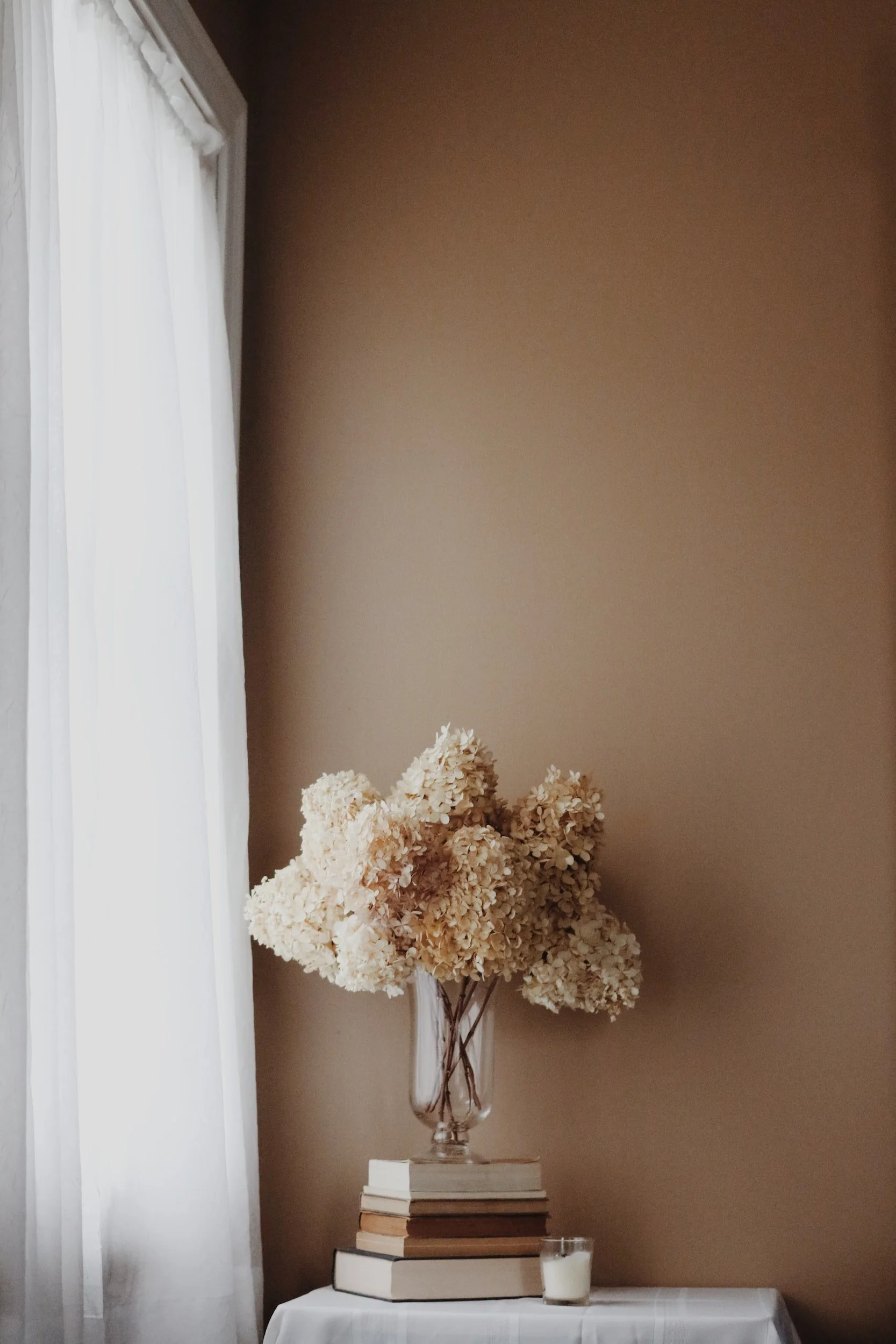
Beige has always been a popular color in interior design, but in recent years it has taken a back seat to bolder and brighter hues. However, in 2023, beige is making a comeback in a big way. From warm taupes to cool greiges, beige is proving to be a versatile and timeless color that can work in a variety of design styles.
So, why is beige back? For one, beige is a calming and soothing color that can help create a sense of tranquility in a space. In a world that is often chaotic and stressful, many people are looking to create serene and peaceful spaces in their homes. Beige provides a neutral backdrop that can be paired with other colors or textures to create a space that is both stylish and comfortable.
Another reason for the return of beige is the growing trend of "Japandi" style. This hybrid design style combines the clean lines and minimalist aesthetic of Japanese design with the cozy warmth and comfort of Scandinavian design. Beige is a key element in Japandi style, providing a neutral canvas for natural materials like wood and stone.
When it comes to incorporating beige into your interior design, there are many ways to do so. One option is to use beige as the main color for walls or furniture, pairing it with other neutral colors like white or gray for a clean and sophisticated look. Another option is to use beige as an accent color, adding throw pillows, curtains, or rugs in shades of beige to create a cohesive and layered look.
To keep beige from feeling boring or dated, it's important to incorporate texture and pattern into the design. Woven fabrics, chunky knits, and natural materials like rattan or jute can add depth and interest to a beige color scheme. Additionally, using different shades of beige or incorporating metallic accents like gold or copper can add dimension and visual interest to a space.
In conclusion, beige is back in interior design, and for good reason. This versatile and timeless color can work in a variety of design styles and provides a neutral backdrop for natural materials and textures. Whether you're incorporating beige into your walls, furniture, or accessories, this classic color is sure to add sophistication and warmth to your space.
Growing Trends
It all begins with an idea.
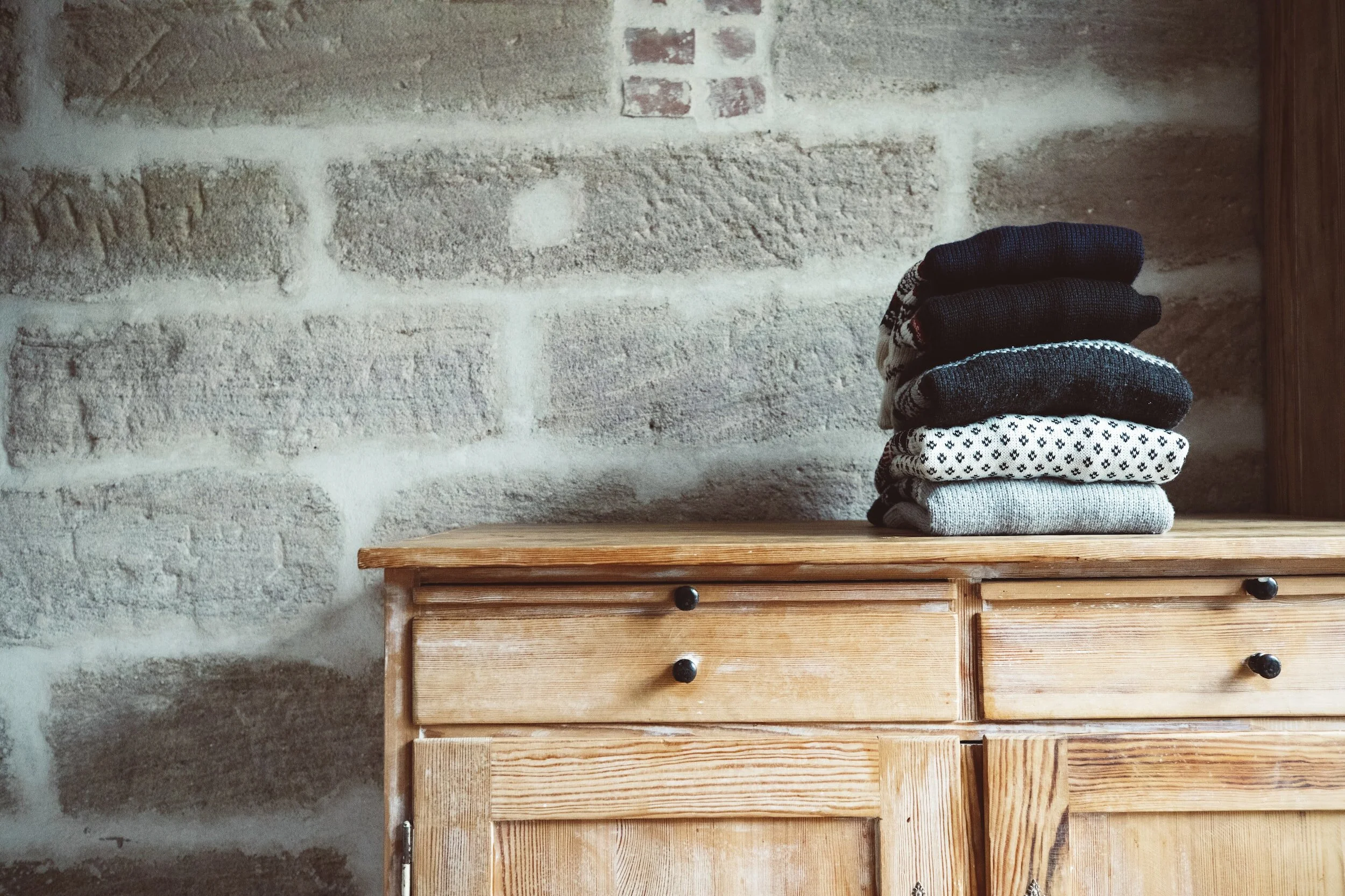
In recent years, there has been a growing trend in interior design towards the use of natural materials and cozy textiles. From wood and stone to wool and cashmere, natural materials and cozy textiles add warmth, texture, and a sense of nature to any living space. In this blog post, we will explore the benefits and ways to incorporate natural materials and cozy textiles in interior design.
Benefits of natural materials and cozy textiles
Warmth: Natural materials such as wood and stone can add warmth and depth to a space, creating a cozy and inviting atmosphere.
Texture: Natural materials and cozy textiles add texture to a space, which can create visual interest and make a room feel more inviting and comfortable.
Durability: Natural materials are often durable and long-lasting, making them a sustainable choice for home decor.
Sustainability: Using natural materials in interior design can help reduce our impact on the environment by reducing the use of synthetic and non-renewable materials.
Ways to incorporate natural materials and cozy textiles in interior design
Use natural wood and stone: Incorporate natural wood and stone elements into your space, such as hardwood floors, stone accent walls, or wooden furniture.
Add plants: Bring nature indoors by incorporating plants into your space. Not only do plants add a touch of greenery and life to a room, but they also help purify the air.
Choose cozy textiles: Use cozy textiles such as wool, cashmere, and mohair to add warmth and texture to your space. Layering blankets and throws on sofas and chairs can create a cozy and inviting atmosphere.
Opt for natural fibers: Choose fabrics made from natural fibers such as cotton, linen, and silk, which are breathable, durable, and sustainable.
Accessorize with natural elements: Incorporate natural elements into your decor through accessories such as woven baskets, pottery, or wooden sculptures.
In conclusion, incorporating natural materials and cozy textiles into interior design can add warmth, texture, and a sense of nature to your living space. By using sustainable materials and opting for natural fibers, you can create a cozy and inviting atmosphere while reducing your impact on the environment. Whether you're redecorating a single room or your entire home, natural materials and cozy textiles are a trend worth considering for their timeless appeal and sustainable benefits.
Seven Basic Principles of Interior Design
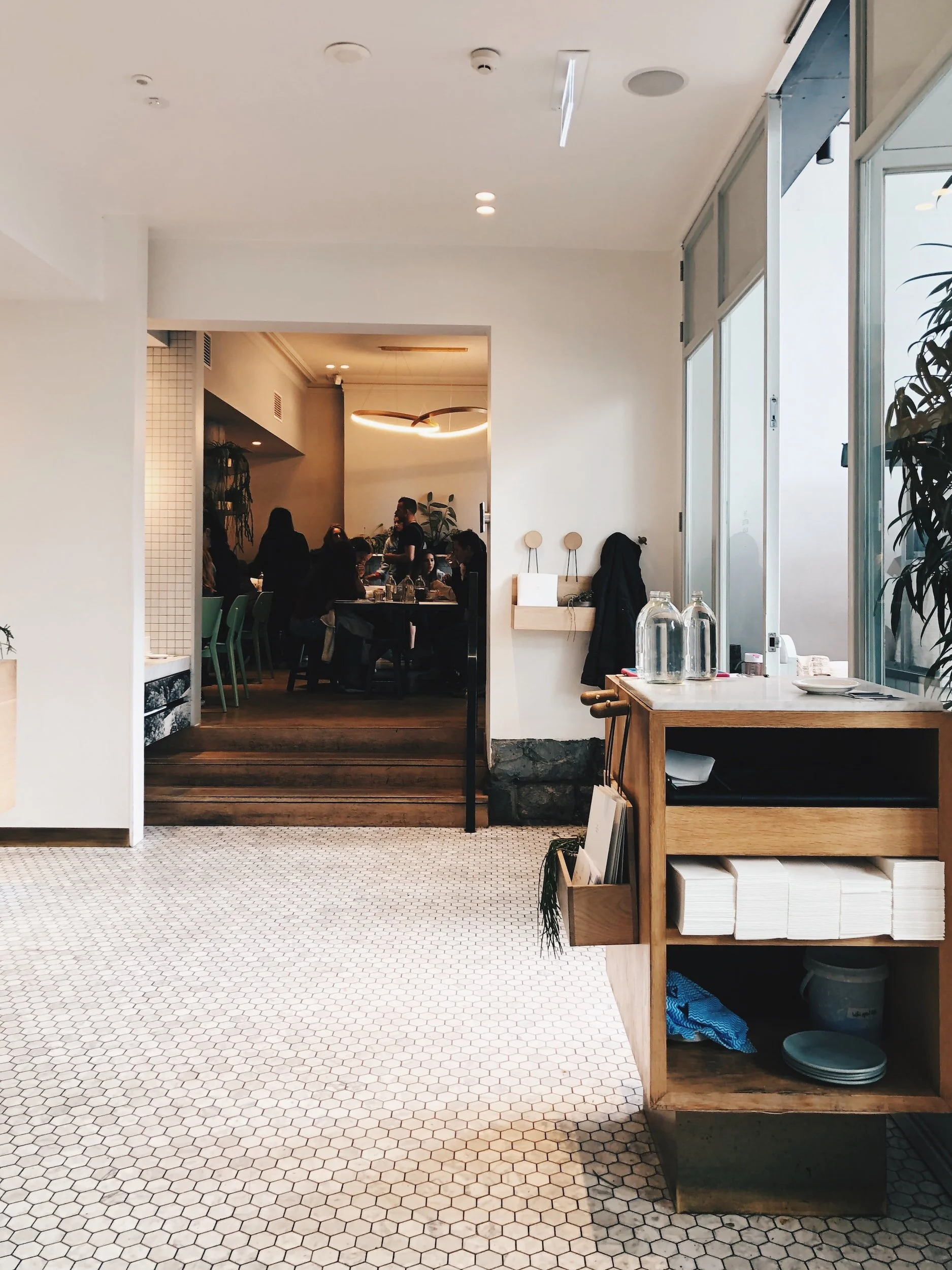
Interior design is more than just aesthetics – it is a combination of functionality, comfort, and style. To achieve a successful interior design, it's essential to follow the seven basic principles of interior design. These principles act as guidelines to create a cohesive and harmonious space. Whether you're designing a new home, renovating an existing space, or simply looking to refresh your decor, these principles will help you achieve the desired look and feel.
Balance
Balance is one of the most important principles of interior design. It refers to the distribution of visual weight in a space. Balance can be symmetrical, where both sides of the room are mirror images of each other, or asymmetrical, where different objects have an equal visual weight. A well-balanced space creates a sense of harmony and stability.
Scale and Proportion
Scale and proportion are closely related and refer to the size of objects in relation to each other and the room as a whole. It's important to consider the size of the room when selecting furniture and decor. A small room will feel cramped if filled with oversized furniture, while a large room with tiny objects can feel sparse and empty. Maintaining proper scale and proportion helps create a sense of balance in a room.
Harmony and Unity
Harmony and unity refer to the overall feeling of cohesiveness in a space. Colors, patterns, textures, and materials should work together to create a sense of unity and flow. When designing a space, it's important to consider the entire room as a whole, rather than individual pieces.
Rhythm and Repetition
Rhythm and repetition refer to the visual patterns and repetition of shapes, colors, and textures throughout a space. Repeating design elements can help create a sense of unity and flow. Rhythm can be achieved through the use of patterns, repetition, or contrast.
Emphasis and Contrast
Emphasis and contrast refer to the use of focal points in a space. A focal point draws the eye and creates visual interest. Emphasis can be achieved through the use of color, pattern, or texture. Contrast refers to the use of opposing elements, such as light and dark, to create visual interest.
Lighting
Lighting is a crucial element in interior design. It not only affects the mood and ambiance of a space but also highlights design elements. Proper lighting can help create a sense of balance, harmony, and unity.
Functionality
Lastly, functionality is an essential principle of interior design. A well-designed space must not only look beautiful but also be practical and functional. It's important to consider the purpose of each room and how it will be used when designing the layout and selecting furniture.
The seven basic principles of interior design are essential to creating a cohesive and harmonious space. By balancing scale and proportion, achieving harmony and unity, incorporating rhythm and repetition, emphasizing contrast, considering lighting, and ensuring functionality, you can design a space that is both beautiful and practical.
What Style Suits You?
What Style Suits You?
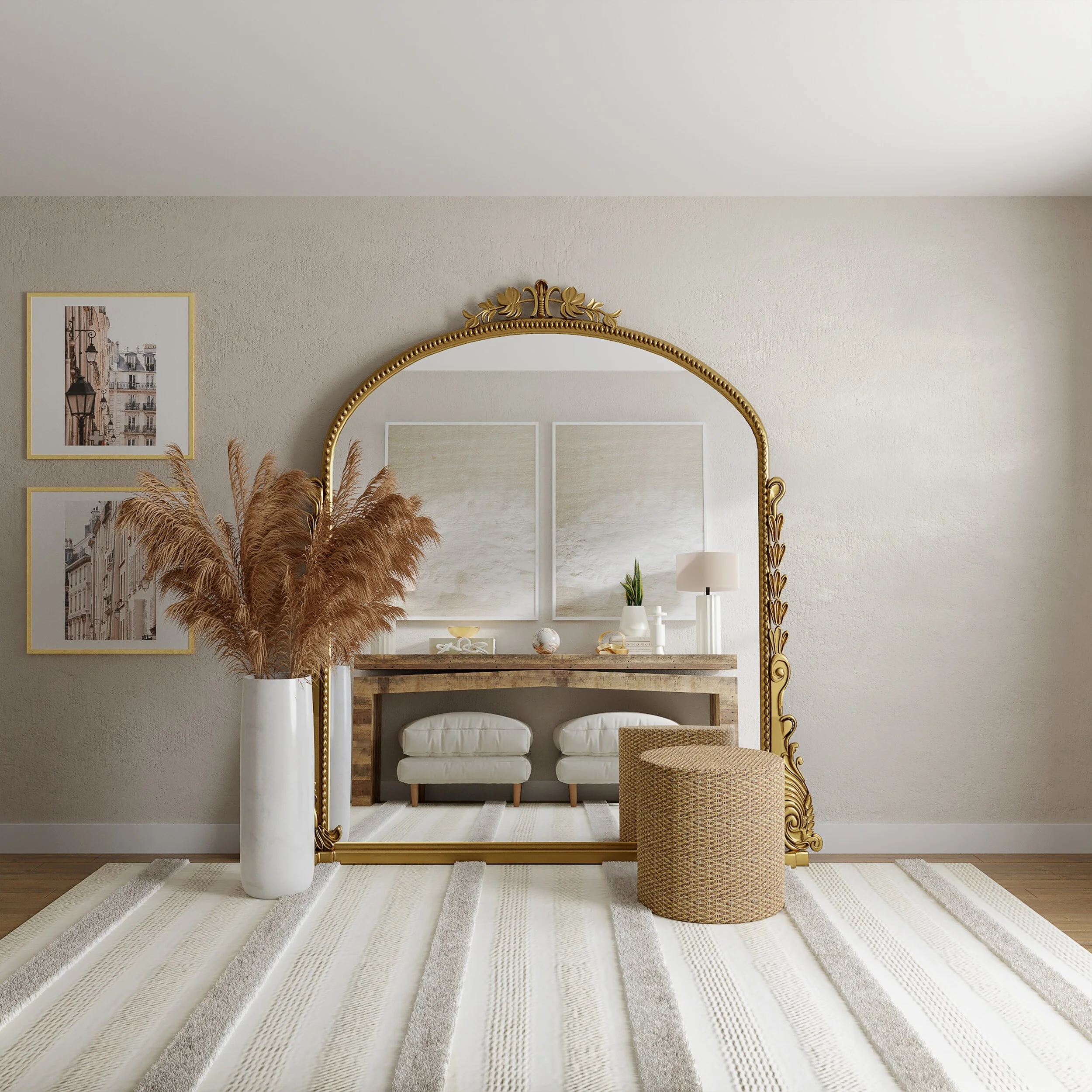
Interior design is the art and science of enhancing the interior of a building or space to achieve a healthier and more aesthetically pleasing environment for the people using it. There are many different types of interior design styles, each with its unique characteristics and features. In this blog post, we will explore some of the most popular types of interior design.
Contemporary
Contemporary interior design is characterized by clean lines, neutral colors, and a minimalist approach. It is a style that is constantly evolving and incorporates the latest design trends. The focus is on creating an open and uncluttered space that is both functional and visually appealing.
Traditional
Traditional interior design is a timeless style that is often associated with luxury and elegance. It features rich colors, ornate details, and classic furnishings. The goal of traditional design is to create a warm and inviting space that is both comfortable and refined.
Modern
Modern interior design is similar to contemporary design in that it emphasizes clean lines and a minimalist approach. However, it is a style that is more focused on function than form. Modern design often features innovative materials and technologies that are used to create a sleek and sophisticated look.
Transitional
Transitional interior design is a blend of traditional and modern styles. It features a mix of classic and contemporary elements that create a balanced and harmonious space. The goal of transitional design is to create a space that is both comfortable and stylish.
Rustic
Rustic interior design is characterized by natural materials, such as wood and stone, and a warm and cozy atmosphere. It is a style that is often associated with cabins and lodges. The goal of rustic design is to create a space that is inviting and comfortable, with a focus on nature and the outdoors.
Industrial
Industrial interior design is a style that is often associated with warehouses and factories. It features raw and unfinished materials, such as concrete and exposed pipes, and a focus on functionality over aesthetics. The goal of industrial design is to create a space that is utilitarian and efficient.
Bohemian
Bohemian interior design is a style that is often associated with artists and free spirits. It features a mix of patterns, colors, and textures that create a relaxed and eclectic vibe. The goal of bohemian design is to create a space that is comfortable and welcoming, with a focus on self-expression and creativity.
Shabby Chic
Shabby Chic interior design is characterized by vintage and antique furniture, distressed finishes, and feminine accents. It combines rustic and romantic elements to create a relaxed and comfortable atmosphere. The goal of shabby chic design is to create a space that is charming and inviting, with a focus on soft colors and natural textures.
Modern Farmhouse
Modern Farmhouse interior design is a style that is inspired by traditional farmhouses, but with a contemporary twist. It features a mix of rustic and industrial elements, such as reclaimed wood and metal accents, paired with modern furnishings and clean lines. The goal of modern farmhouse design is to create a space that is both cozy and chic, with a focus on comfort and functionality.
Eclectic
Eclectic style is a design style that is all about mixing and matching different elements and styles to create a unique and personalized look. It's a style that's characterized by a diverse range of materials, colors, textures, and patterns, often combining traditional and modern elements, vintage and new pieces, and different cultural influences.One of the key features of eclectic style is its sense of individuality and creativity. It allows you to showcase your personality and interests by incorporating pieces that you love and that reflect your style. Eclectic spaces are often filled with art, collectibles, and unique objects that tell a story.Another important aspect of eclectic style is balance. While it may seem like anything goes in an eclectic space, it's important to balance the various elements and create a cohesive look. This can be achieved through the use of color, texture, and pattern, as well as through thoughtful placement and arrangement of furniture and accessories. Overall, eclectic style is a great option for those who want to create a space that's full of character and personality. It's a style that encourages creativity and individuality, and allows you to mix and match different styles and elements to create a truly unique look.
There are many different types of interior design styles, each with its unique characteristics and features. Whether you prefer a contemporary, traditional, modern, transitional, rustic, industrial, bohemian style, shabby chic, modern farmhouse, or eclectic, there is a design style that is perfect for you. By choosing the right design style for your space, you can create a beautiful and functional environment that reflects your personal style and meets your needs.
Where to Begin?
It all begins with an idea.
If you're considering remodeling your home and doing some interior design work, it can be an exciting but daunting task. Where do you even start? What should you consider before getting started? Here are some tips for beginners to help you get started on your interior design journey.
Define your budget
The first thing you should do before beginning any interior design work is to define your budget. Consider how much you can realistically afford to spend on the project and prioritize your spending. If you're working with a tight budget, consider repurposing items you already own or shopping secondhand for furniture and accessories.
Determine your style
Before you begin designing, it's important to determine your personal style. Do you prefer modern or traditional design? Are you drawn to bright and bold colors or muted and neutral tones? Browse design websites, magazines, and social media for inspiration and create a mood board to help you visualize your style.
Make a plan
Once you've defined your budget and determined your style, it's time to make a plan. Consider the function of each room and how you want the space to feel. Think about furniture, lighting, color schemes, and accessories that will help you achieve your design goals.
Start small
If you're new to interior design, it's best to start small. Choose one room to focus on and gradually expand your design skills. Don't feel like you have to tackle your entire house at once.
Consider the layout
The layout of your furniture is an important aspect of interior design. Consider traffic flow and how people will move around the room. Make sure each piece of furniture serves a functional purpose and that there's enough space to move around comfortably.
Incorporate color and texture
Color and texture are important elements of interior design. Consider using a color scheme that reflects your personal style and enhances the mood you want to create in the room. Use texture to add depth and interest to the space.
Don't forget about lighting
Lighting is a crucial aspect of interior design. Consider the natural light in the room and choose artificial lighting that complements it. Use a mix of ambient, task, and accent lighting to create a layered effect.
Add the finishing touches
The finishing touches are what tie the room together and make it feel complete. Incorporate accessories such as throw pillows, rugs, curtains, and artwork to add personality and style to the space.
Interior design can be a fun and rewarding process, but it requires thoughtful planning and execution. By defining your budget, determining your style, making a plan, starting small, considering the layout, incorporating color and texture, not forgetting about lighting, and adding the finishing touches, you can create a beautiful and functional space that reflects your personal style.